
Cracked Garage Floor? When Epoxy Is the Right Fix (and When It’s Not)
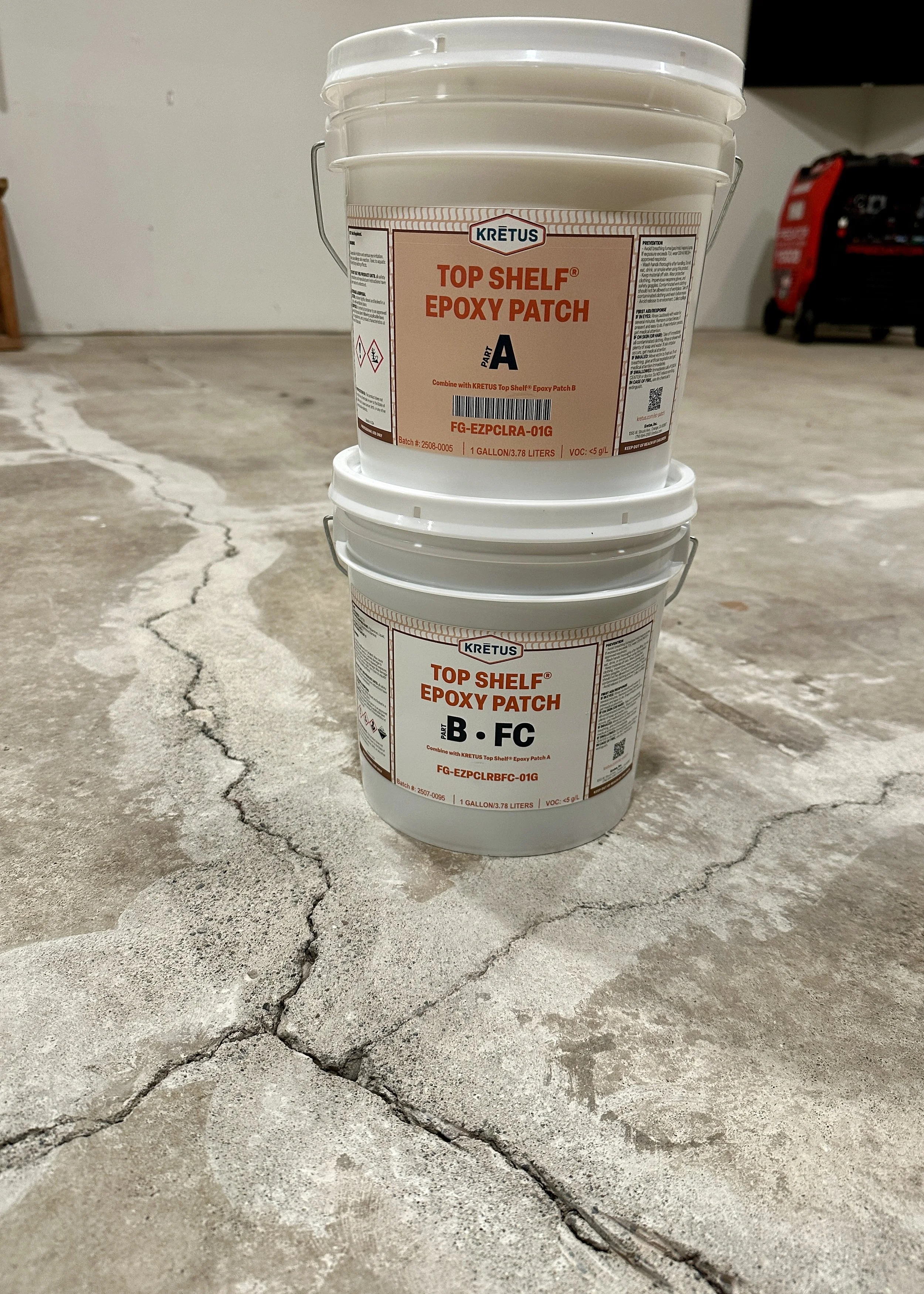
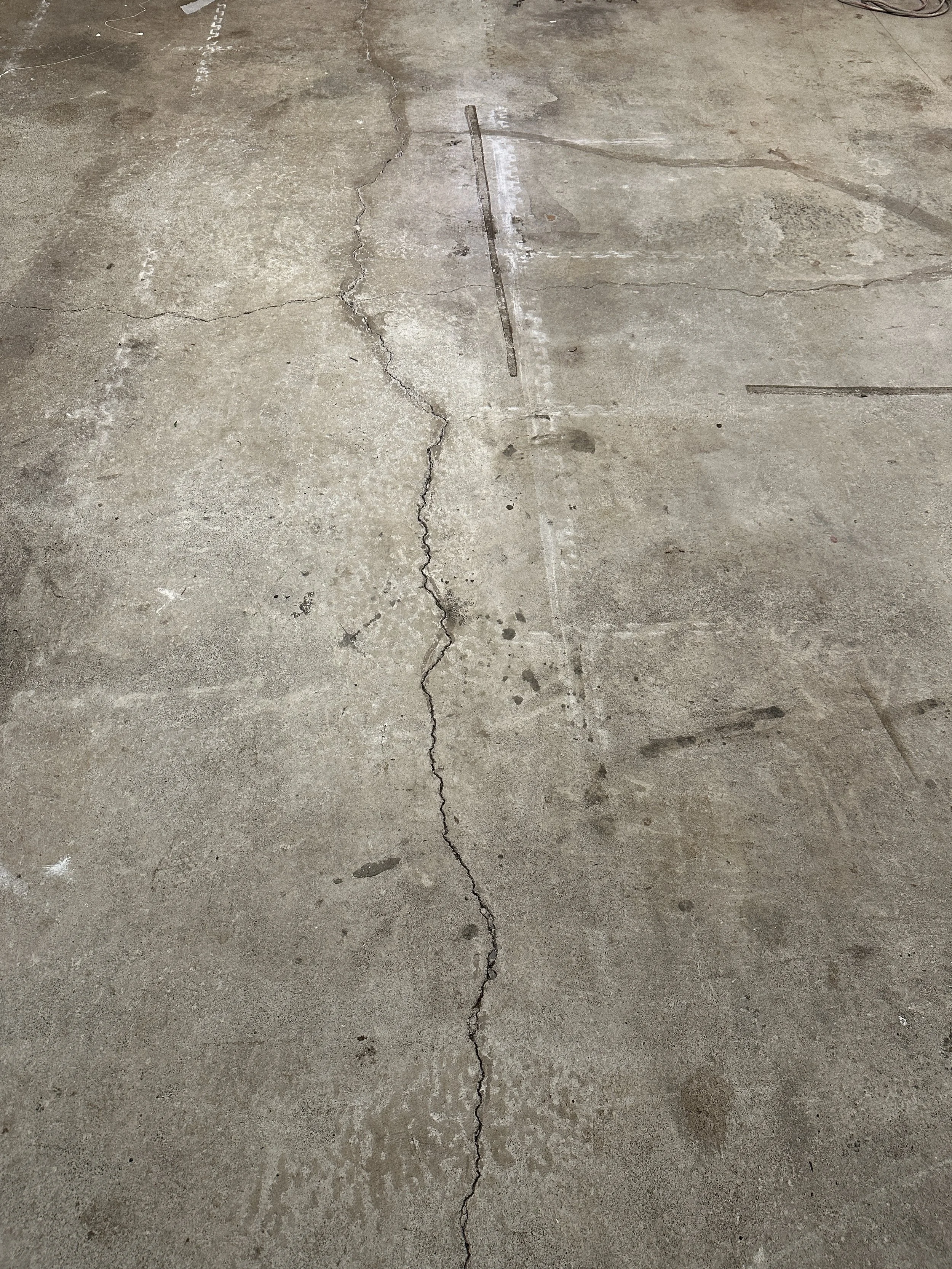
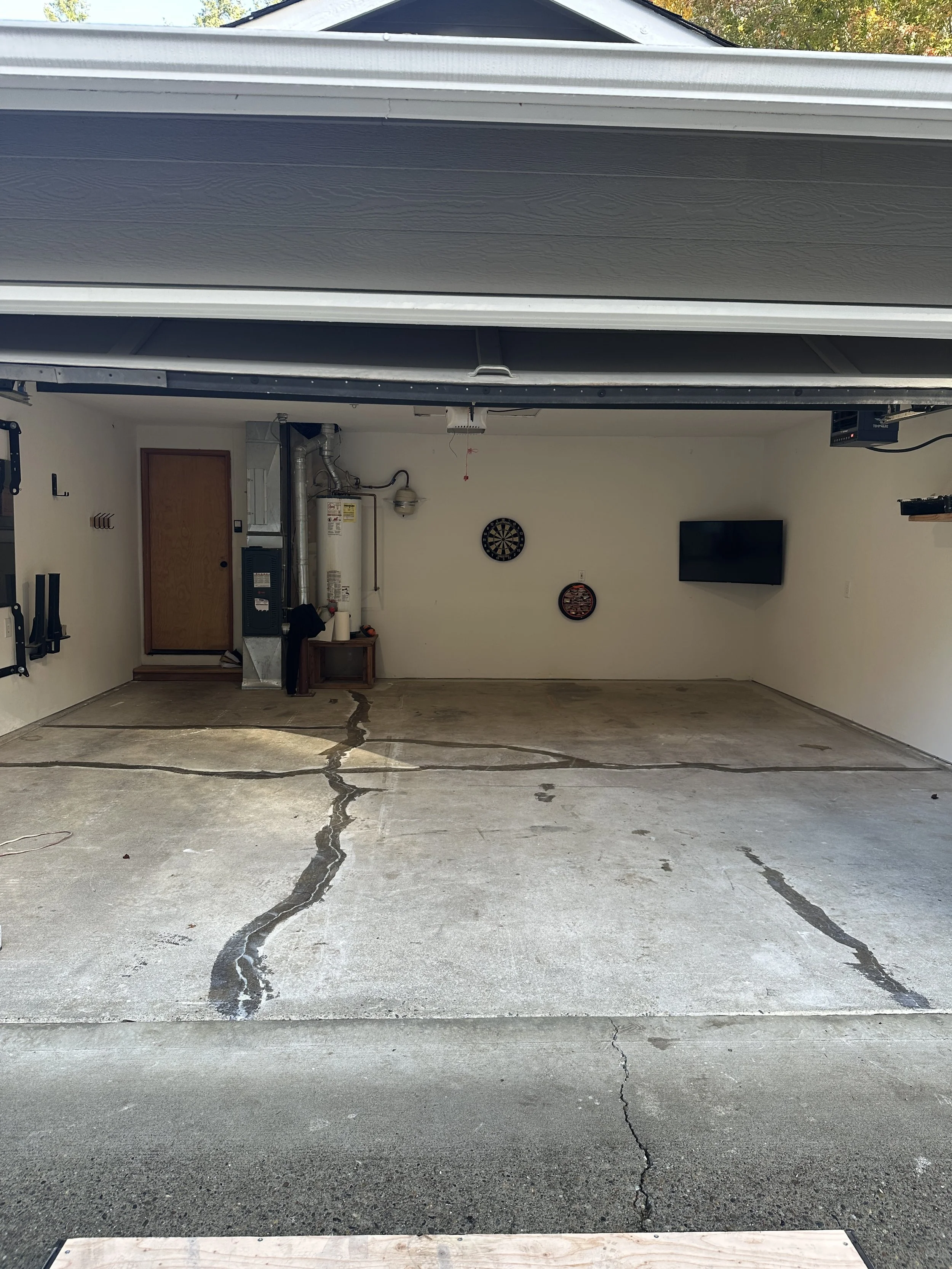
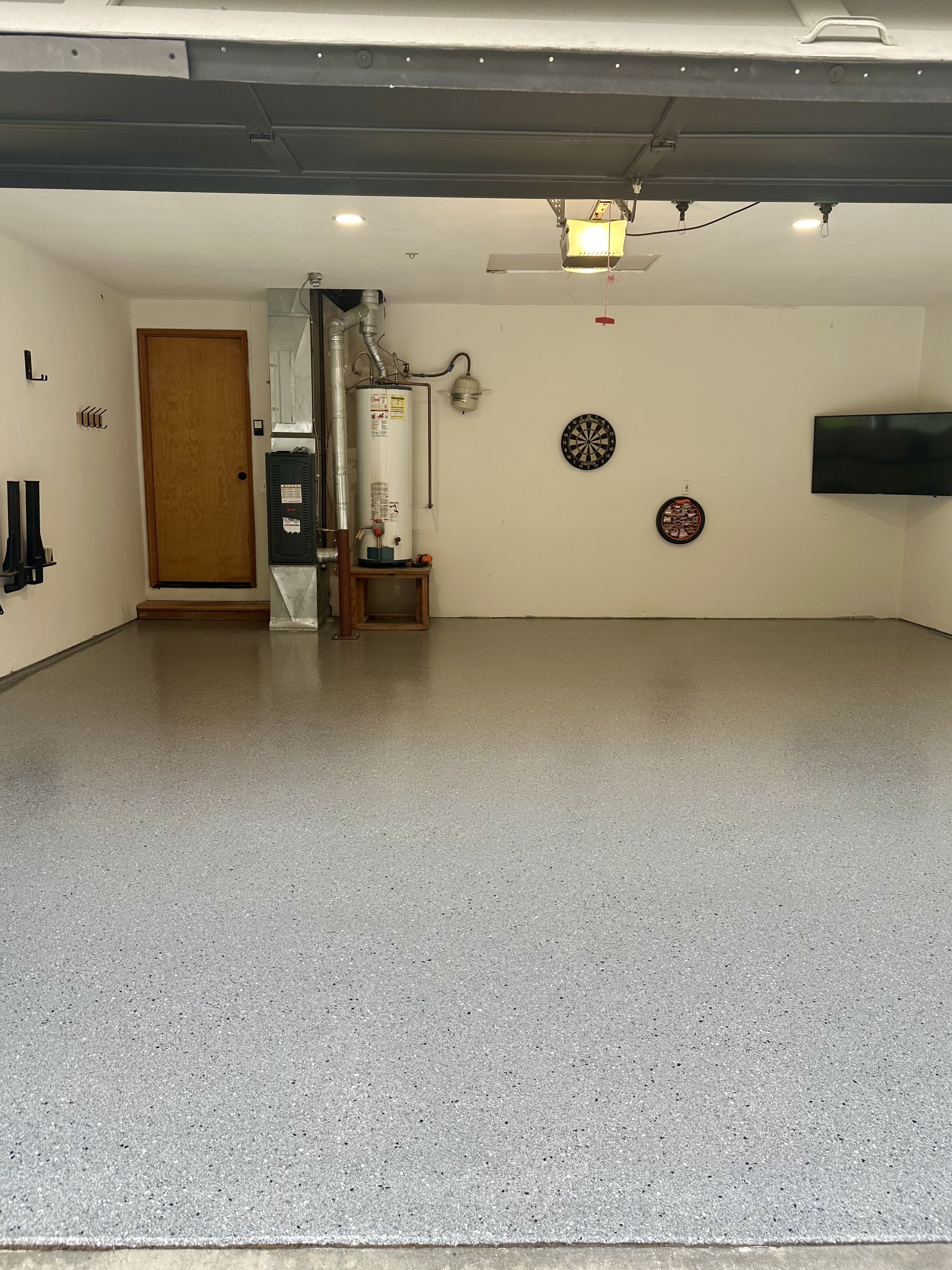
Cracks, chips, and surface damage in a garage floor often persist despite cleaning or minor repairs. Without the right solution, the concrete continues to appear worn and unfinished.
The good news: many cracked garage floors can be fixed permanently with an epoxy flooring system.
The important part: not every crack should be covered with epoxy.
Knowing the difference matters.
The Good News: Epoxy CAN Fix Most Common Garage Floor Damage
Epoxy flooring is an excellent solution if your garage floor has:
Hairline cracks
Shrinkage cracks
Surface-level cracking
Small chips and dings
Gouges from tools or equipment
Minor spalling or flaking
These types of damage are extremely common and usually cosmetic or surface-related, not structural.
Why epoxy works for these issues:
Cracks are properly repaired before coating
Epoxy bonds directly to the concrete
The system seals the surface completely
A seamless topcoat prevents future wear
Once installed, the floor becomes smooth, durable, and protected from moisture, dust, and daily abuse.
Why DIY Repairs and Paint Usually Fail
Many homeowners try:
Concrete patch kits
Garage floor paint
Roll-on coatings
Unfortunately, these products:
Sit on top of the concrete
Don’t flex with the slab
Fail under moisture and temperature changes
That’s why cracks often reappear and paint peels within a year or two.
The Line Epoxy Will NOT Cross: Structural Settling
Here’s the honest truth that many contractors won’t tell you:
If your garage floor is cracking due to structural settling, epoxy is not the solution.
Signs of structural issues include:
Large, widening cracks
Vertical displacement (one side higher than the other)
Cracks that continue growing quickly
Doors, walls, or foundations showing movement
Evidence of major soil settlement beneath the slab
Epoxy is designed to protect and stabilize sound concrete, not correct foundation movement.
In these cases, structural or foundation repairs should be addressed first.
Why This Distinction Matters
Applying epoxy over a structurally failing slab will not stop movement and no coating should be expected to.
At Westside Epoxy we will:
Evaluate crack type and severity
Identify signs of settlement
Recommend epoxy only when it’s the right fit
This protects your investment and ensures long-term results.
When Epoxy Is the Right Choice, the Results Are Night and Day
For garages with surface cracking, chips, and wear, epoxy flooring:
Permanently seals cracks and damage
Stops concrete dust
Resists moisture and chemicals
Handles vehicle traffic with ease
Transforms the garage into a clean, finished space
Instead of fighting your concrete, epoxy protects it.
The Bottom Line
Small cracks, dings, chips, and gouges?
✅ Epoxy is an excellent solution.Active settling or structural movement?
❌ Epoxy is not the right fix—structural repairs should come first.
An honest evaluation ensures you get the right solution, not just a quick sale.
Request a quote at westsideepoxyfloors.com/contact
Serving Gig Harbor, Port Orchard, Bremerton, and surrounding areas
